Why the Arizona Desert Changes the Rules of Hydration
Why the Arizona Desert Changes the Rules of Hydration
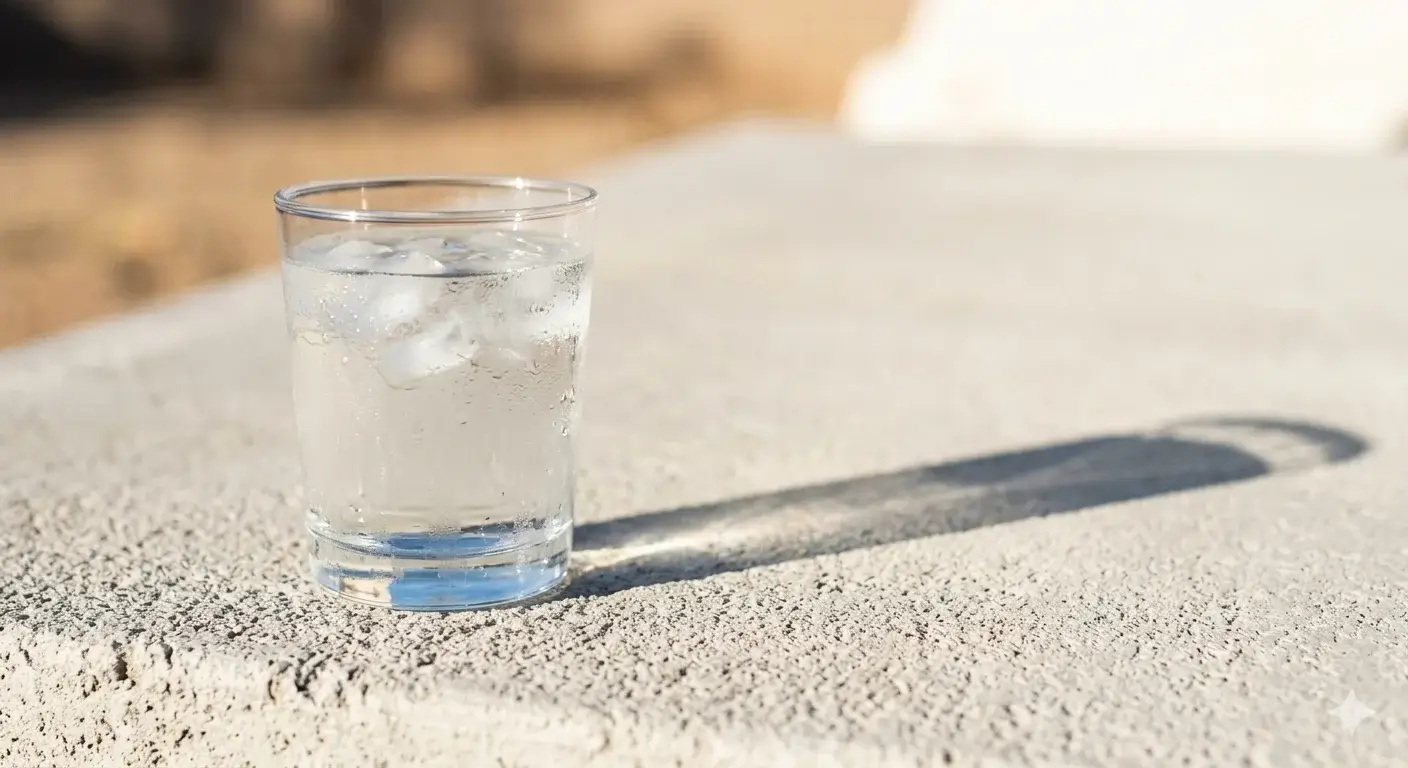
Living in the Phoenix area during the summer takes more than just a water bottle. In most places, when you get hot, you sweat, your skin feels wet, and your brain tells you to take a drink. But the desert plays by different rules. Because our air is very dry, your sweat dries up the exact second it hits your skin. You lose a lot of water without ever feeling wet. This is why many people in Glendale and Scottsdale get “hidden dehydration” and do not even know they are in danger.
As a doctor and a health coach, I wear two hats. I see that waiting until you feel thirsty means you are already behind. Good health is not about fixing a heat headache after it hurts. It is about using simple daily habits to keep your energy high and stay safe in the heat.
“Why don’t I sweat in the Arizona heat?”
You actually are! The air is so dry that your sweat dries up the exact second it hits your skin. You never feel wet, which tricks your brain into thinking you are safe.
“Do you lose water just by breathing?”
Yes! Every time you breathe out, you push water into the dry air. Your lungs work extra hard in the desert. You lose water all day just by breathing.
“Does iced coffee count as water?”
Not in the desert! Drinks with lots of caffeine or sugar make your body lose water faster. If you drink a soda or coffee, drink a glass of plain water right after to break even.
In an environment designed to dry you out, staying hydrated cannot be reactive—it must be a deliberate, daily practice!
Feeling Tired or Dizzy: If your brain feels foggy, drink water right away.
A Dry Mouth: This is your body ringing the alarm bell.
Dark Urine: It should look pale like lemonade, not dark like apple juice.
Do not wait until you feel thirsty to start drinking.
Do not exercise outside between 10:00 AM and 4:00 PM.
Do not rely only on water to stay hydrated.
Sip All Day
HydrationCarry a water bottle everywhere. Drink a little bit of water all day long, starting as soon as you wake up.
Eat Your Water
NutritionEnjoy fresh fruits and vegetables like cool watermelon and crisp cucumbers. They are packed with natural water and help keep your energy high.
Add a Little Salt
ElectrolytesWhen you sweat, you lose salt along with water. If you are drinking plenty of water, enjoy a small salty snack like nuts to help your body stay balanced.
HYDRATION INDICATOR GUIDE
Common Questions: Beating the Heat
Is it better to drink ice water or room temperature water?
Room temperature water is actually better for you! Your body absorbs it much faster. Drinking freezing cold ice water can shock your stomach and slow down how fast you get hydrated.
Can drinking too much water make you sick?
Yes, it can. If you drink gallons of water without eating any food or salt, you can wash out your body’s natural minerals. This is why it is so important to pair your water with healthy, salty snacks.
What is the difference between being too hot and having a heat stroke?
If you feel very tired and are sweating a lot, you are just too hot and need to rest in the shade. But if you suddenly stop sweating, feel confused, or throw up, that is a heat stroke. You need to call for a doctor right away!
Scientific References & Clinical Guidelines
[1] Gastric Emptying: National Institutes of Health (NIH). The effect of water temperature on hydration absorption rates.
[2] Hyponatremia: Centers for Disease Control and Prevention (CDC). Risks of overhydration and electrolyte imbalance in extreme heat.
[3] Heat Illness: Mayo Clinic. Recognizing the clinical signs of heat exhaustion versus heat stroke.